


Latest observations
Help with confirming observations
Welcome to iSpot! Learn more about wildlife, share your interest with a friendly community and get help identifying what you have seen. more »
Welcome to iSpot southern Africa
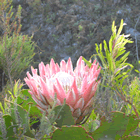
iSpot southern Africa Your gateway to sharing and identifying the biodiversity around us.
Watch the video to see how iSpot's friendly community helps you learn about wildlife.
iSpot News
Explore the ecological web with iSpot

All organisms are part of a web of ecological connections with other species. Many of these links are created by feeding relationships: every plant is eaten, every animal must eat. Most flowers depend on insects for pollination. Fruit are dispersed by birds, seeds by ants and mites hitch a ride on beetles in a relationship called phoresy.
As our contribution to the British Ecological Society's Festival of Ecology best online casinos South Africa, you can now explore and record ecological relationships using iSpot. Find out how here
Take a course
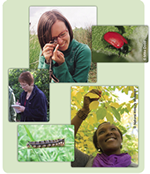
You can study many aspects of the environment with The Open University, and there are courses to suit everyone: take a short module, work towards a named degree, or try course sections for free on OpenLearn.
Follow iSpot
 Follow us on Twitter